The Parent’s Guide to Preschool Readiness Checks: Beyond Age Requirements
Deciding when to enroll your child in an early learning program is an exciting milestone for any family. While birth dates and age minimums often serve as standard administrative benchmarks, true preschool readiness is multifaceted. In our classrooms, we understand that every child grows at their own pace. True readiness is not measured by academic testing or chronological age alone; it blossoms through emotional security, social interest, communication, and everyday self-care habits. To help navigate this transition with peace of mind, we have compiled a reassuring, practical checklist of developmental signs that indicate your little one is prepared to thrive in a structured preschool environment.
Social Engagement and Interactive Play
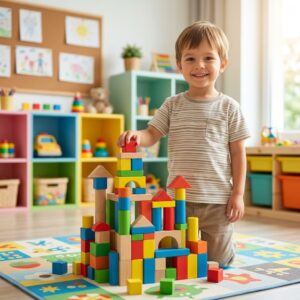
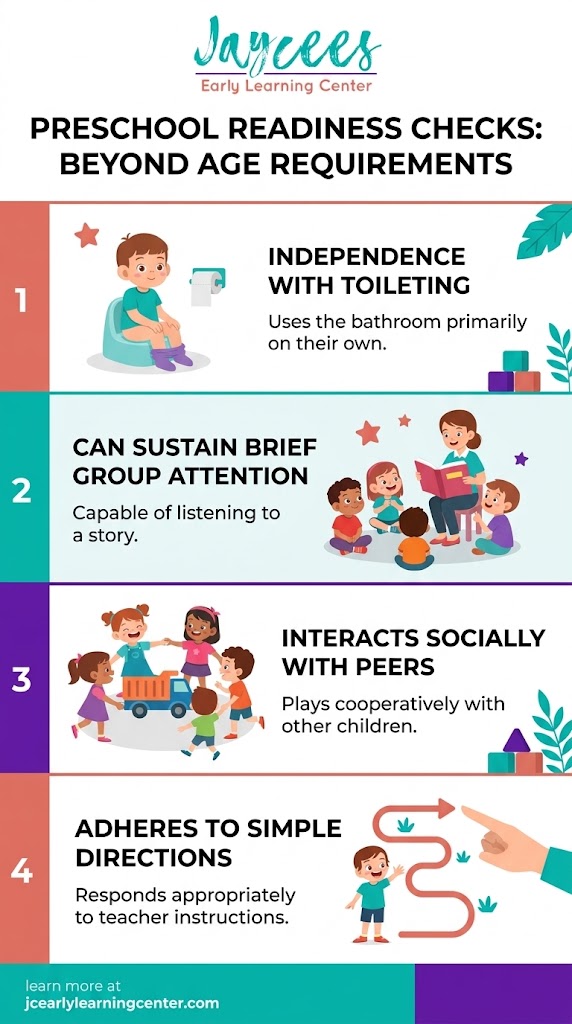
At this stage, we observe how comfortably children engage alongside peers during shared activities. Readiness does not mean mastering teamwork overnight; rather, we look for an emerging interest in parallel play, taking turns with classroom materials, and expressing curiosity about other children. These small peer interactions form the foundation for lasting social confidence in structured environments.

Emotional Regulation and Separation Comfort
Separation anxiety is completely natural, but readiness shows when a child can be comforted after saying goodbye. In our care, we watch whether little ones can transition into morning routines with gentle teacher reassurance. Being able to self-soothe with a familiar comfort item or a warm hug demonstrates growing emotional resilience and healthy security.

Basic Self-Care and Daily Independence
Practical self-help habits empower young learners to navigate the preschool day with proud autonomy. We encourage milestones like washing hands unassisted, managing clothing during bathroom visits, and feeding themselves during snack time. When children take ownership of these simple daily tasks, their confidence soars, allowing them to focus happily on discovery and creative classroom exploration.
Receptive Communication and Following Directions
A major benchmark in our classrooms involves understanding simple instructions and communicating basic personal needs clearly. In our preschool readiness checklist, we look for whether children can follow two-step guidance, such as picking up toys and washing their hands. Expressing daily feelings or comfortably asking teachers for help ensures children feel supported, secure, and heard.
Preparing for preschool is a gradual journey centered on emotional security, communication, and growing independence rather than strict age benchmarks. At Jaycees Early Learning Center, we nurture these essential foundational skills every day through structured routines, supportive guidance, and play-based discovery. If you are exploring whether your family is ready to take this joyful next step, we invite you to review our curriculum guides or reach out to our team to learn more about our developmental programs.
Our Programs
We provide young children SAFE and AFFORDABLE day care!


