
The Impact of Music and Movement on Early Childhood Development
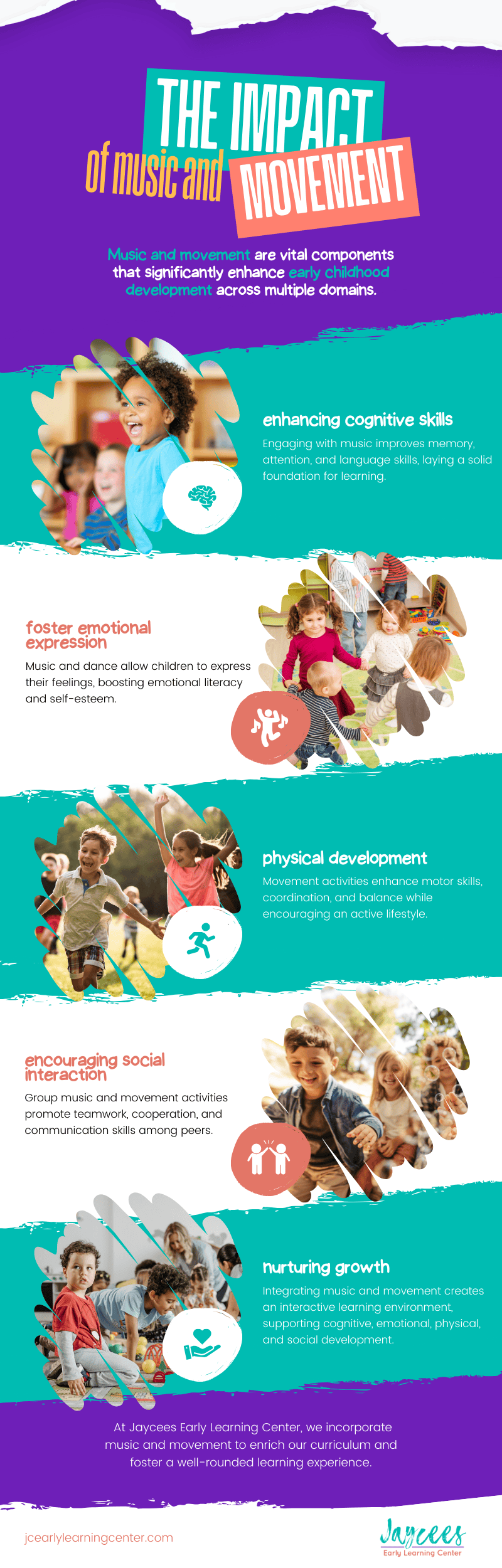
Music and movement play a vital role in early childhood development, offering numerous benefits that foster growth across various domains. At Jaycees Early Learning Center, we recognize the profound influence these elements have on cognitive, emotional, and social development in young children.
Enhancing Cognitive Skills
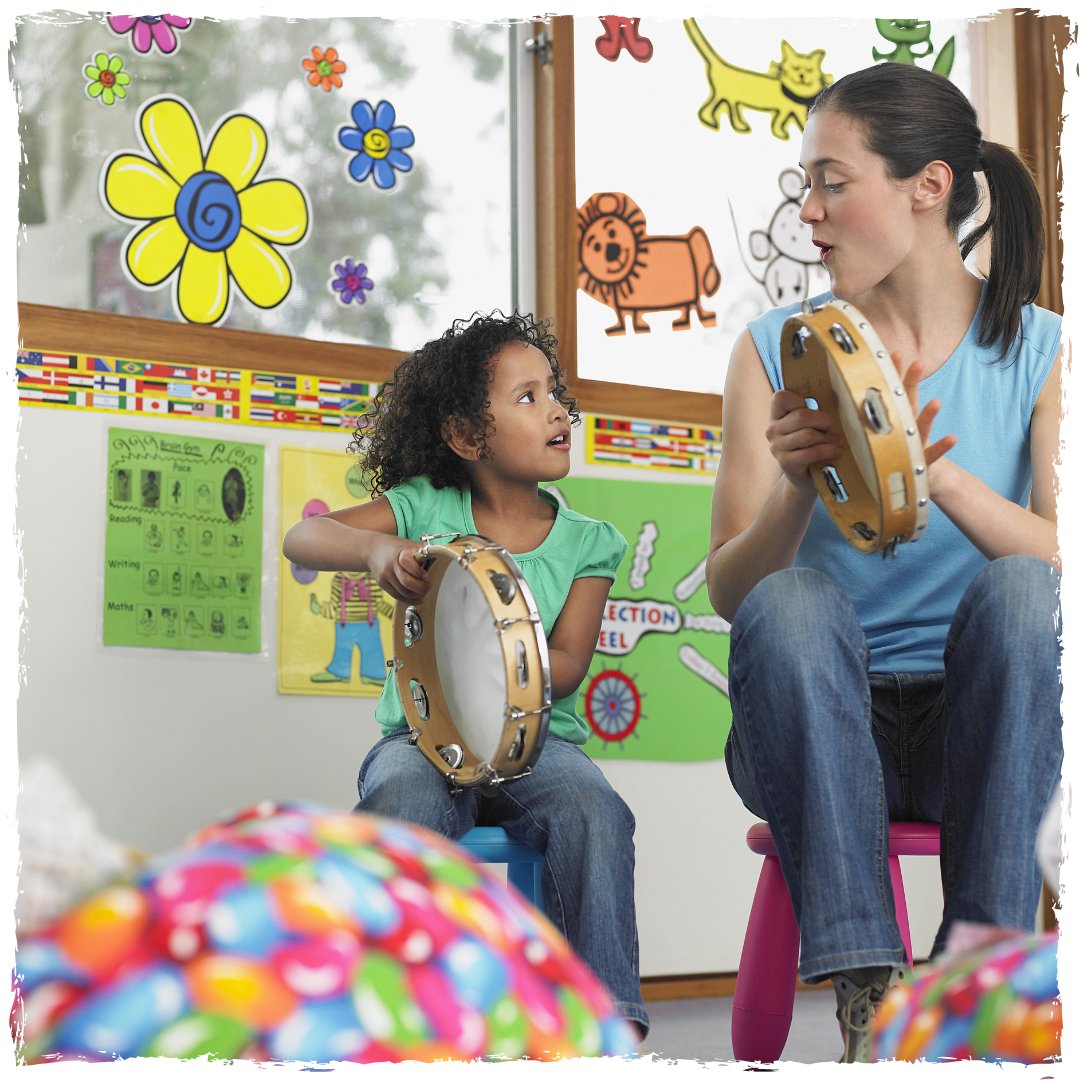
Engaging with music and movement stimulates cognitive development in young children. Research shows that musical activities help improve memory, attention, and language skills. Children exposed to rhythmic patterns and melodies often display enhanced brain connectivity, leading to better problem-solving abilities and academic performance.
Fostering Emotional Expression
Music and movement provide an excellent outlet for emotional expression in children. Through song and dance, toddlers learn to express their feelings and attitudes, promoting emotional literacy. Engaging in creative movement allows children to explore their emotions in a safe and supportive environment.

Promoting Physical Development
Participating in music and movement activities encourages physical development in young children. Movement-oriented activities like dancing, marching, or simple yoga help enhance motor skills, coordination, and balance. These activities also promote a healthy lifestyle by encouraging active play, reducing sedentary behavior, and instilling an appreciation for physical fitness early on.
Encouraging Social Interaction
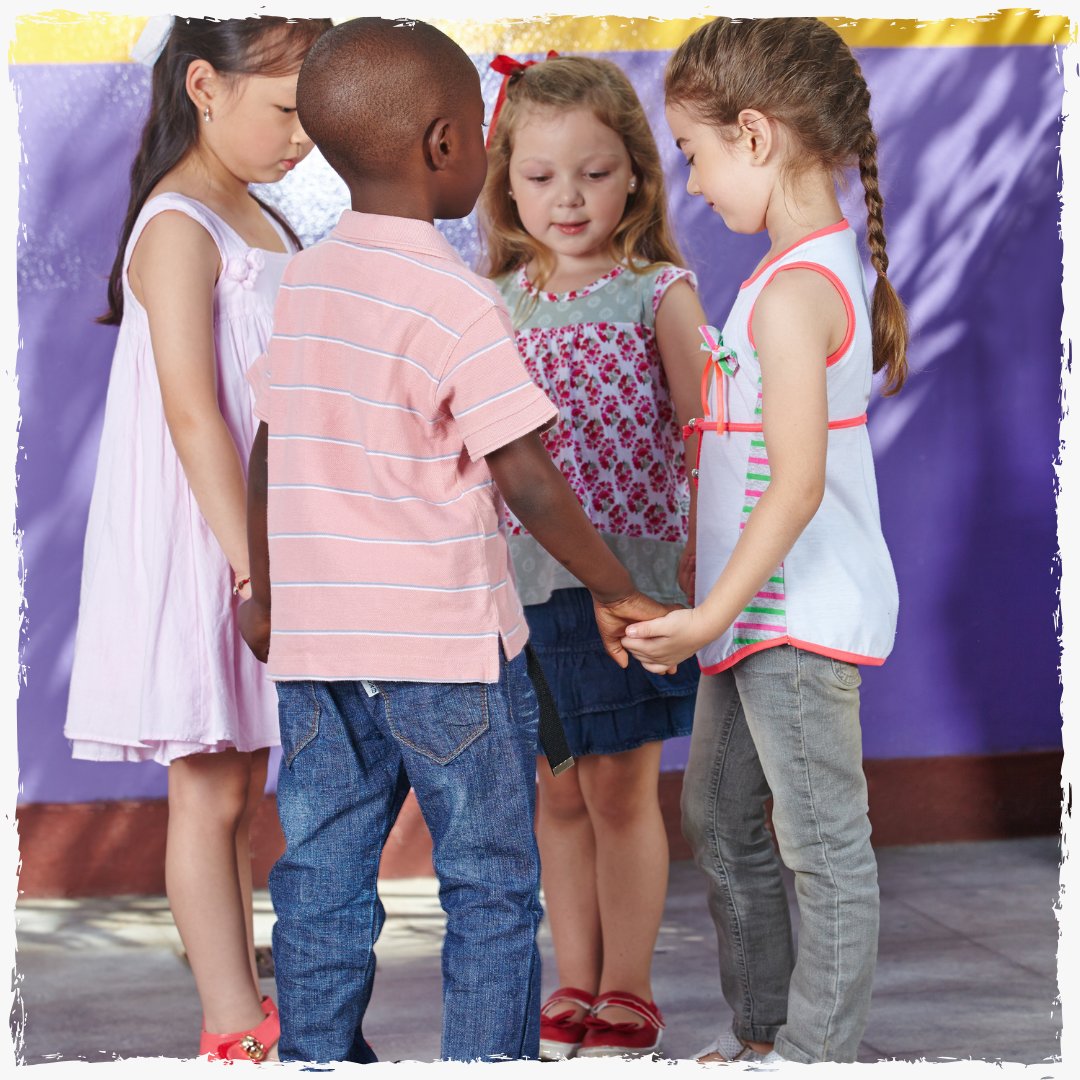
Music and movement foster social skills by encouraging collaborative play and teamwork. Group activities, such as circle dances or musical games, require children to cooperate, share, and communicate with their peers. flict resolution and teamwork, preparing them for future relationships.